
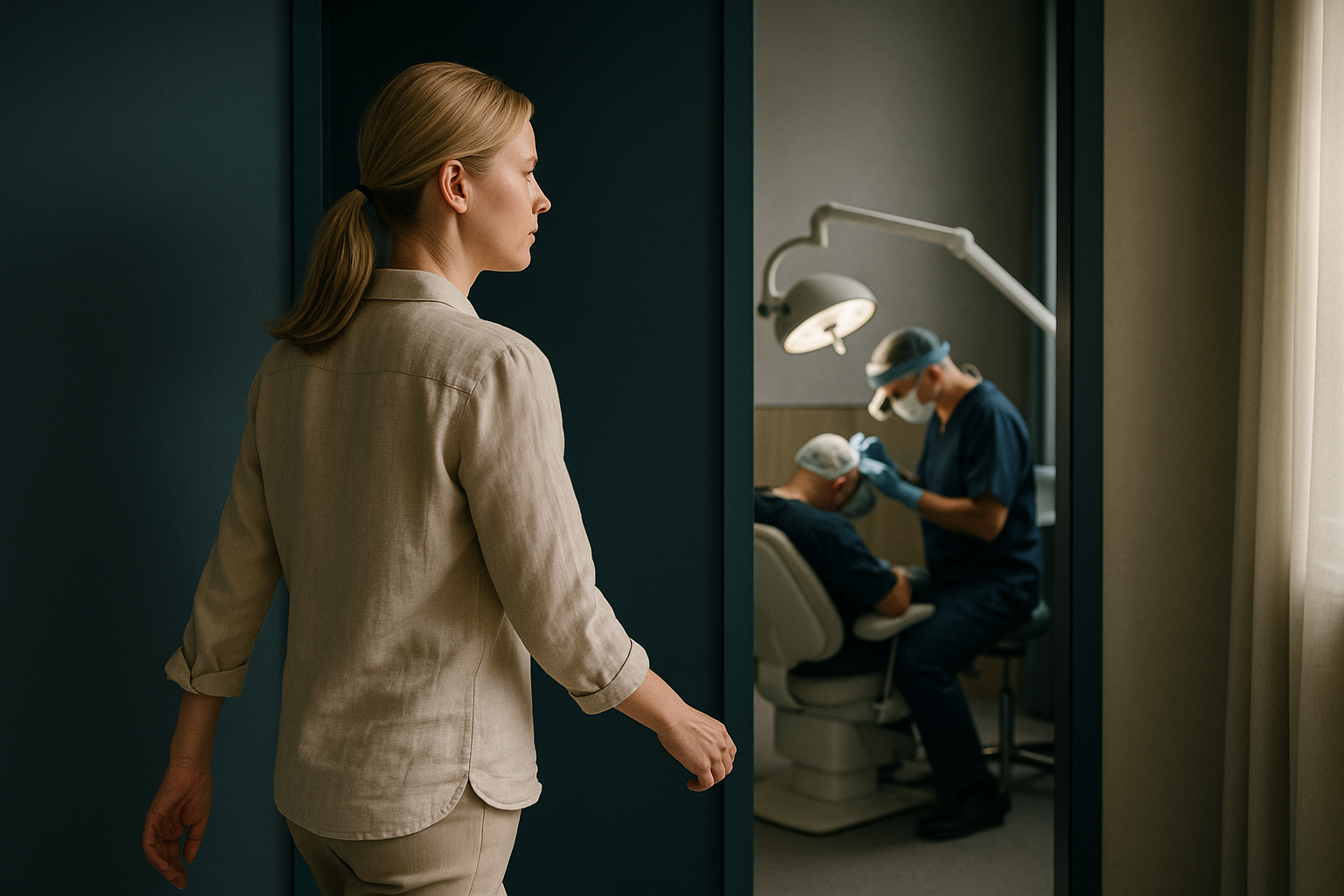
Hair loss can be a challenging experience, affecting one’s confidence and self-image. For women seeking solutions, a hair implant for ladies offers a viable path to regaining a full head of hair. This article provides an in-depth look at the process, costs, and expectations involved in hair implants.
What Are Hair Implants for Women?
Hair implants, or hair transplants, are surgical procedures designed to restore hair by moving hair follicles from a donor site to a balding or thinning area. Women experiencing hair loss due to genetics, hormonal changes, or medical conditions may consider this option to enhance their appearance and self-esteem. Hair loss in women often presents differently than in men, typically manifesting as overall thinning rather than distinct bald spots. This can make hair implants a particularly effective solution, as they can address diffuse thinning, restoring density across the scalp. The global prevalence of female pattern hair loss is estimated to affect approximately 40% of women by the age of 50, making it a significant concern that hair implants can address.
Two primary techniques are used in hair transplantation: Follicular Unit Extraction (FUE) and Follicular Unit Transplantation (FUT). FUE is a less invasive method, extracting individual follicles, which results in tiny, almost invisible scars. This technique is ideal for women who prefer to wear shorter hairstyles or those concerned about noticeable scarring. FUT involves removing a strip of scalp from the donor area, which allows for the transplantation of a larger number of follicles in a single session but leaves a linear scar. Each method has its benefits and drawbacks, which we will explore in detail. For instance, FUE might be more time-intensive due to the meticulous extraction process, but it offers a quicker recovery time compared to FUT.
Choosing the right method depends on various factors, including the extent of hair loss, hair type, and personal preferences regarding scarring and recovery time. It’s important for women to consult with a skilled surgeon who can evaluate their unique case and recommend the most suitable technique. The decision should also consider long-term goals, as hair loss may progress, and future treatments might be necessary to maintain the desired appearance. For example, women with a family history of extensive hair loss might opt for a method that offers more flexibility for future procedures. Additionally, the thickness and texture of the donor hair can influence the choice of technique, as finer hair might be better suited for FUE due to its precision.
How Does the FUE Hair Transplant Work?
The FUE hair transplant involves extracting individual hair follicles from a donor area, typically at the back of the head, and transplanting them to the target area. This method is preferred for its minimally invasive nature and reduced scarring compared to FUT. The process begins with the surgeon marking the donor and recipient areas, followed by the administration of local anesthesia to ensure patient comfort. Using a micro-punch tool, the surgeon meticulously extracts each follicle, taking care to preserve the surrounding tissue for optimal graft survival. The entire procedure can take several hours, depending on the number of follicles being transplanted, with sessions sometimes extending to a full day for extensive treatments.
During the procedure, a surgeon uses a micro-punch tool to remove follicles, which are then implanted into small incisions made in the scalp. The process is meticulous, ensuring natural hair growth patterns are replicated. The placement of each graft is crucial, as it determines the direction, angle, and density of the new hair growth. Skilled surgeons create a natural-looking hairline by considering factors such as hairline shape, facial symmetry, and age-appropriate density. This attention to detail is what differentiates a successful transplant from one that appears unnatural. Surgeons may use magnification tools to ensure precision in placing each follicle, matching the natural curl and angle of existing hair.
Recovery is typically quick, with minimal discomfort. Patients can expect some redness and swelling in the treated areas, which usually subside within a few days. Most women can resume normal activities within a week, although it’s advisable to avoid strenuous exercise and direct sun exposure for a few weeks post-surgery. Results from an FUE procedure can be seen gradually, with new hair growth becoming noticeable within three to four months and full results visible after a year. It’s important for patients to follow post-operative care instructions closely to ensure optimal outcomes. This may include using special shampoos, avoiding certain hair styling products, and attending follow-up appointments to monitor progress and address any concerns.
Do Most Surgeons Use Manual FUE or Neograft?
Surgeons may choose between manual FUE and automated systems like Neograft. Manual FUE allows for greater precision and control, often preferred by skilled surgeons for customised results. The manual method involves the surgeon individually extracting each follicle, providing the ability to adjust techniques based on the specific characteristics of the patient’s hair and scalp. This level of control can lead to more refined results, especially in cases where the patient has curly or coarse hair textures. Surgeons with extensive experience in manual FUE can tailor each extraction to minimize trauma and optimize graft survival, making it a preferred option for patients with specific needs.
Neograft, an automated device, speeds up the process and is suitable for larger areas. This system uses pneumatic pressure to extract and implant follicles, which can reduce the duration of the procedure and improve graft handling efficiency. Neograft can be particularly beneficial for women with extensive hair loss, as it allows for a larger number of grafts to be transplanted in a single session. However, the choice between manual and automated techniques depends on individual patient needs and the surgeon’s expertise. While Neograft can offer time-saving benefits, some surgeons argue that manual extraction provides a higher level of artistry and precision, crucial for achieving the most natural-looking results.
Regardless of the method, the goal remains the same: achieving natural-looking hair restoration. Patients should discuss with their surgeon the pros and cons of each technique, considering factors such as the size of the area to be treated, the desired outcome, and any previous hair restoration efforts. Ultimately, the surgeon’s skill and experience play a significant role in the success of the procedure, making it essential for women to choose a qualified professional who can deliver the desired results. Women are encouraged to review before-and-after photos of previous patients and ask for testimonials to ensure they are making an informed decision about their care provider.
What Are the Costs Involved in Hair Implants?
Hair transplant cost varies significantly depending on factors such as the extent of hair loss, the method chosen, and the clinic’s location. On average, FUE procedures can range from £3,000 to £10,000. These figures can fluctuate based on the number of grafts required, which typically ranges from 500 to 3,000 or more, depending on the severity of hair loss. Clinics in major metropolitan areas may charge higher fees due to increased demand and operating costs. Additionally, the complexity of the procedure and the surgeon’s experience level can influence pricing, with highly sought-after specialists often commanding premium fees.
It’s essential to consider these expenses and plan accordingly. Many clinics offer financing options or payment plans to help manage the cost of the procedure. Patients should ask about these options during the consultation phase to ensure they are fully aware of their financial commitments. Moreover, it’s worth comparing quotes from multiple clinics to find a balance between cost and the surgeon’s experience. It’s advisable to be cautious of clinics offering significantly lower prices, as this might be indicative of less experienced practitioners or subpar facilities.
Additional costs may include consultation fees, post-operative care, and potential future touch-ups. Follow-up appointments and medications for recovery can add to the overall expense. It’s advisable to discuss all possible expenses with your surgeon to avoid unexpected surprises. Transparency regarding cost breakdowns should be a priority when selecting a clinic, ensuring there are no hidden fees that could affect your budget. Investing in a quality procedure with a reputable surgeon is often more cost-effective in the long term, reducing the likelihood of needing corrective surgeries or additional treatments in the future.
Is Hair Implant Surgery Safe?
Hair implant surgery is generally safe when performed by an experienced and qualified surgeon. It’s crucial to choose a practitioner with the necessary credentials and experience to minimise risks. Surgeons should be board-certified and have a track record of successful procedures. Patients can verify a surgeon’s credentials through professional organisations or by requesting references from past patients. It’s also beneficial to check if the surgeon has any history of malpractice claims or disciplinary actions, which could indicate potential issues with their practice.
Accreditation by reputable organisations and adherence to international medical standards ensures the highest level of safety. Clinics should follow strict hygiene protocols to prevent infections and other complications. Modern techniques and equipment further enhance the safety profile of hair transplant procedures, reducing the likelihood of adverse effects. Equipment such as advanced imaging systems and precision tools are employed to enhance accuracy and minimize the risk of errors during the transplant process.
Patients should research the clinic’s reputation, read reviews, and ask for before-and-after photos to make an informed decision. It’s also beneficial to have an open discussion with the surgeon about any concerns or questions regarding the procedure, potential risks, and expected outcomes. Being well-informed and selecting a reputable clinic can significantly enhance the safety and success of hair implant surgery. Additionally, engaging in a pre-surgery consultation allows patients to understand the step-by-step process, ensuring they feel comfortable and confident in the care they will receive.
How to Prepare for a Hair Implant Procedure?
Preparation for a hair implant procedure involves several steps. Initially, patients should consult with a healthcare provider to discuss their medical history and suitability for the surgery. This initial consultation helps identify any underlying health issues that could affect the procedure or recovery. A detailed plan will be developed, considering the patient’s hair type, density, and transplant goals. This plan ensures that both the patient and surgeon have a clear understanding of the desired outcomes. It’s also an opportunity to discuss lifestyle habits, such as diet and exercise, that could impact healing.
Prior to surgery, it’s advisable to avoid medications that may increase bleeding, such as aspirin, and to follow any specific instructions provided by your surgeon. Patients might also be asked to stop smoking and limit alcohol consumption to promote better healing. Additionally, arranging for post-operative care and support is crucial for a smooth recovery. Having a friend or family member available to assist in the days following surgery can provide added comfort and ensure adherence to aftercare instructions. Preparing a recovery area at home, complete with necessary supplies such as prescribed medications and comfortable seating, can also facilitate a smoother post-surgery experience.
The surgeon may also recommend specific shampoos or hair care products to prepare the scalp for surgery, enhancing the procedure’s effectiveness. Patients should also prepare a list of questions to discuss during consultations, covering everything from the surgical process to recovery expectations. Thorough preparation and communication with the surgical team are key to achieving the best possible results from a hair implant procedure. Understanding the timeline and stages of recovery helps set realistic expectations and reduces anxiety surrounding the procedure.
What to Expect After a Hair Transplant?
Post-operative care is vital for successful results. Patients can expect some swelling and discomfort, but these typically subside within a week. The surgeon will provide detailed aftercare instructions, which may include guidelines on washing the hair, avoiding certain activities, and taking prescribed medications to manage pain and prevent infection. Adhering to these instructions is crucial to minimize complications and promote healing. Patients are often advised to sleep with their head elevated to reduce swelling and avoid rubbing or scratching the treated areas.
Hair growth begins to be noticeable after three to four months, with full results visible by a year. It’s important to note that newly transplanted hair may initially fall out within the first few weeks—a normal part of the growth cycle known as “shock loss.” This should not be a cause for concern, as the follicles remain intact and will soon produce new hair. Patience is key, as the complete transformation takes time, but the results can be highly rewarding. During this period, patients should maintain a healthy diet and avoid stress to support robust hair regrowth.
Following the surgeon’s instructions on scalp care, medication, and follow-up appointments can enhance recovery and outcomes. Consistent follow-up consultations ensure any concerns are addressed promptly. These appointments also allow the surgeon to monitor progress and make adjustments to the treatment plan if necessary. Overall, a well-managed recovery process can significantly enhance the success and satisfaction of hair transplant surgery. Patients are encouraged to maintain regular communication with their medical team and report any unusual symptoms immediately to ensure swift intervention if needed.
Conclusion
Hair implants for women offer a promising solution for those seeking to address hair loss and regain confidence. Understanding the procedures, costs, and recovery involved is essential for making an informed decision. With the right approach and professional guidance, women can achieve natural and satisfying results. It’s important for individuals considering this option to do thorough research and choose a qualified surgeon to ensure the best possible outcomes. As the technology and techniques continue to evolve, hair implants remain a robust option for women seeking to reclaim their hair and their confidence.
Proven result
20 to 200 hair-transplant patients a month from Australia
Aesthetic surgery group
Frequently asked questions
What is a FUE hair transplant?
FUE, or Follicular Unit Extraction, is a technique where individual hair follicles are extracted from a donor area and transplanted to the thinning or balding areas.
How much does a FUE hair transplant cost?
The cost of a FUE hair transplant can vary, typically ranging from £3,000 to £10,000, depending on the extent of the procedure and location.
Is hair transplant surgery safe?
Yes, when performed by qualified and experienced surgeons, hair transplant surgery is generally safe with minimal risks.
Do most surgeons use manual FUE or Neograft?
The choice between manual FUE and Neograft depends on the surgeon’s preference and the patient’s needs, with both methods aiming for natural results.
What should I expect after a hair transplant?
Post-surgery, expect mild swelling and discomfort. Hair growth begins in three to four months, with full results visible within a year.
Related guides
Exploring Female Hair Implants: Benefits and Expectations
Quick answerFemale hair implants are a viable option for women experiencing hair loss. They offer a permanent solution…
Women’s Hair Surgery: An Overview of Options and Outcomes
Quick answerWomen's hair surgery involves procedures like FUE and FUT, offering diverse options for hair restoration. Costs vary…
Comprehensive Guide to ‘All on Four’ Implants
Quick answer'All on Four' implants are a dental solution where four implants support a full arch of teeth.…