
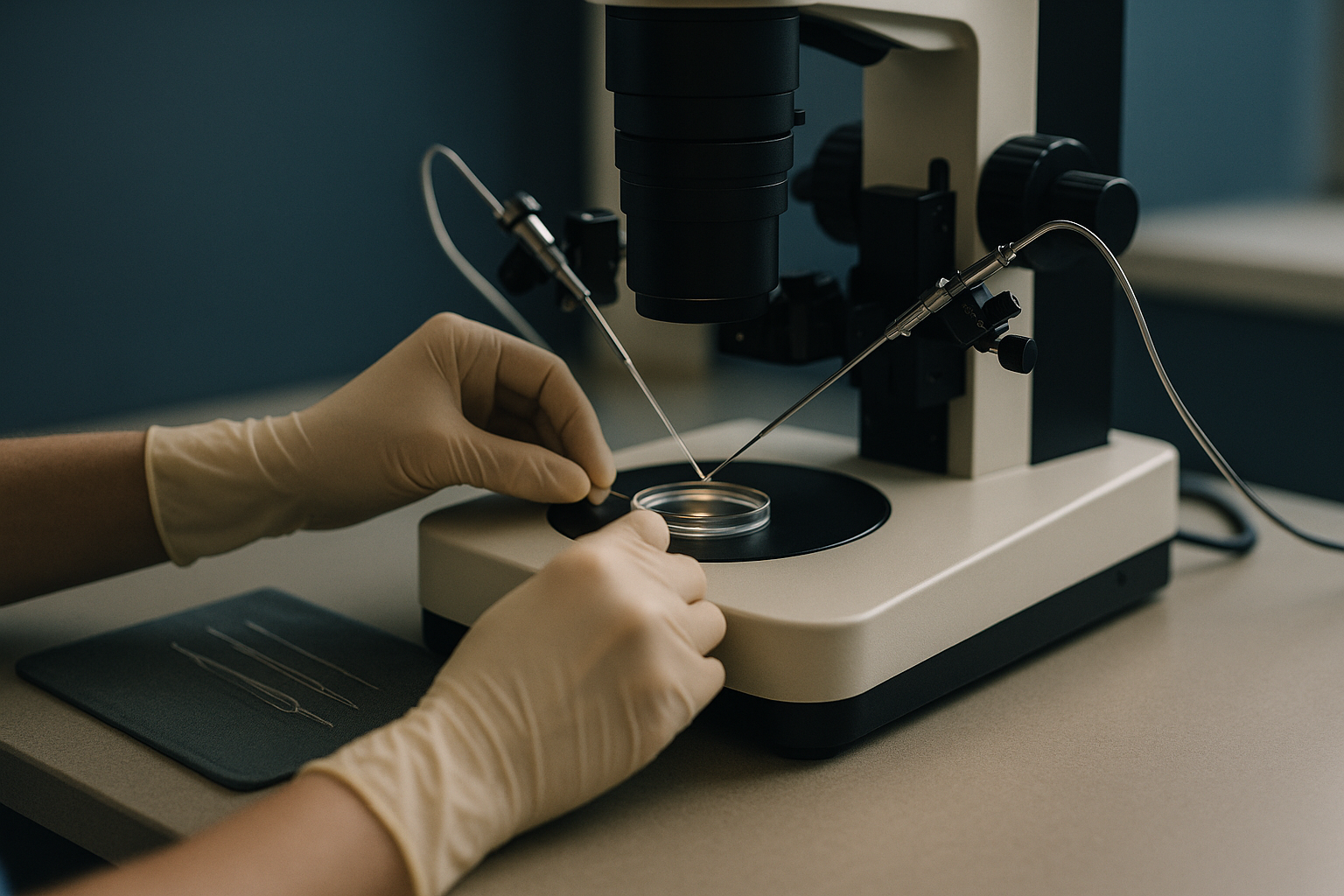
The intracytoplasmic sperm injection procedure, commonly known as ICSI, is a sophisticated fertility treatment designed to assist with male infertility issues. By directly injecting a single sperm into an egg, this procedure enhances the chances of successful fertilisation. For those considering treatment abroad, understanding the process, costs, and safety measures is crucial.
What is the Intracytoplasmic Sperm Injection Procedure?
Intracytoplasmic sperm injection is a specialised form of in vitro fertilisation (IVF) that involves the direct injection of a single sperm into an egg. This procedure is typically recommended for couples facing male infertility factors, such as low sperm count or motility, which affect the sperm’s ability to fertilise an egg naturally. The precision of this method significantly increases the likelihood of successful fertilisation compared to conventional IVF, where sperm are simply placed around an egg in a lab dish to fertilise it naturally.
The ICSI procedure is particularly beneficial when other fertility treatments have failed. For instance, if a couple has undergone multiple cycles of conventional IVF without success, ICSI provides an alternative method to overcome specific fertilisation barriers. It offers a chance at pregnancy when natural conception is not possible due to sperm-related issues, such as when sperm have difficulty penetrating the egg’s outer layers. The process is conducted in a controlled laboratory environment where embryologists work meticulously to ensure optimal conditions for fertilisation, leveraging advanced microscopes and micromanipulation tools to handle sperm and eggs.
In addition to addressing male infertility, ICSI can be used in cases of unexplained infertility or when using frozen sperm, which may have reduced motility. This flexibility makes ICSI a versatile option in assisted reproductive technology (ART). As reproductive technologies advance, the precision and success rates of ICSI continue to improve, offering hope to many couples worldwide. Understanding the nuances of this procedure can help couples make informed decisions about their fertility journey.
How Does the Intracytoplasmic Sperm Injection Process Work?
The ICSI process begins with the collection of eggs from the female partner and sperm from the male partner. The eggs are retrieved through a minor surgical procedure known as transvaginal ultrasound aspiration, which is performed under sedation. This involves using an ultrasound probe to guide a needle through the vaginal wall to the ovaries, where it gently aspirates the eggs from the follicles. This step is typically preceded by ovarian stimulation, where the female partner receives hormone injections to encourage the production of multiple eggs.
On the male side, sperm collection is usually done through ejaculation on the day of the procedure. If viable sperm cannot be obtained this way, surgical extraction methods such as testicular sperm extraction (TESE) or percutaneous epididymal sperm aspiration (PESA) may be employed. These techniques are particularly useful in cases of obstructive azoospermia, where blockages prevent sperm from entering the ejaculate.
Once the eggs and sperm are collected, the embryologist selects a single, healthy sperm to be injected into each egg using a fine glass needle. This delicate procedure requires high precision and is usually performed under a microscope with the aid of micromanipulation tools. Post-injection, the eggs are monitored for signs of fertilisation, which typically occurs within 24 hours. Embryo development is then observed over the next few days, and the most viable embryos are selected for transfer to the woman’s uterus. This step aims to achieve implantation and, ultimately, a successful pregnancy.
Throughout the ICSI process, the couple is closely monitored by a team of fertility specialists. Regular ultrasounds and blood tests are conducted to track the progress of ovarian stimulation and embryo development. This meticulous approach ensures that each step is carefully timed to optimise the chances of successful fertilisation and implantation. By understanding each phase of the ICSI process, couples can better prepare for the emotional and physical demands of fertility treatment.
What are the Costs Involved with ICSI Treatment?
The cost of the intracytoplasmic sperm injection procedure can vary significantly depending on the country, clinic, and specific medical circumstances. On average, the costs may range from £3,000 to £7,000 per cycle. This often includes medications such as hormonal injections for ovarian stimulation, egg retrieval, sperm collection, and embryo transfer. However, these costs can increase if additional treatments or procedures are required, such as genetic testing or the use of donor sperm or eggs.
Prospective patients should also consider additional costs such as travel, accommodation, and consultation fees when planning treatment abroad. For example, a couple traveling from the UK to a popular fertility destination like Spain or the Czech Republic might budget an additional £1,500 to £3,000 for these expenses. It is advisable to confirm all potential expenses with the clinic beforehand to avoid unexpected financial burdens. Some clinics offer initial consultations free of charge, which can help offset some initial costs.
Many clinics offer packages that can help manage costs more effectively. These packages might include multiple treatment cycles, which can be more cost-effective if the first cycle is unsuccessful. Exploring options and comparing different providers can lead to significant savings without compromising on quality or safety. Financing options or payment plans offered by some clinics can also make ICSI more accessible to couples with limited upfront funds. Conducting thorough research and seeking recommendations from others who have undergone similar treatments can aid in finding the most cost-effective solution.
Insurance coverage for ICSI varies widely between countries and insurers. In some countries, such as the United States, insurance may cover part of the procedure, while in others, like the UK, public health services might only cover ICSI under specific circumstances. Patients should consult with their insurance provider to understand what aspects of the treatment, if any, are covered. Being well-informed about the financial aspects of ICSI can help couples plan accordingly and reduce the stress associated with the cost of fertility treatments.
How Safe is the Intracytoplasmic Sperm Injection Procedure?
ICSI is generally considered a safe procedure, with a high success rate for achieving fertilisation. However, like all medical procedures, it carries certain risks. The risks associated with ICSI are similar to those of conventional IVF, including ovarian hyperstimulation syndrome (OHSS), which can occur when the ovaries are overstimulated by fertility medications. Symptoms of OHSS include abdominal pain, bloating, and nausea, and in severe cases, it can lead to more serious complications.
Another risk is the potential for multiple pregnancies, which occurs when more than one embryo implants and develops in the uterus. While multiple births can be a joyous outcome for many families, they also carry increased health risks for both the mother and the babies, such as preterm birth and low birth weight. To mitigate this risk, many clinics adopt a policy of transferring only one or two embryos at a time, particularly in younger patients with a good prognosis.
Patients are advised to choose accredited clinics that adhere to international safety standards. Accreditation by organisations such as the Joint Commission International (JCI) or the European Society of Human Reproduction and Embryology (ESHRE) ensures that the clinic maintains high levels of hygiene, uses advanced technology, and employs experienced medical professionals. This accreditation provides assurance of quality care and patient safety during the treatment journey.
It is essential for patients to discuss potential risks and benefits with their healthcare provider to make an informed decision about proceeding with the treatment. A thorough pre-treatment evaluation, including genetic screening and counselling, can help identify any additional risks specific to the couple’s medical history. By understanding these risks and working closely with a reputable clinic, patients can minimise potential complications and increase the likelihood of a successful outcome.
How Long Does the Intracytoplasmic Sperm Injection Procedure Take?
The entire ICSI treatment cycle typically takes about four to six weeks from start to finish. This timeline includes several critical phases, starting with the initial consultation and ovarian stimulation. During the initial consultation, the couple meets with a fertility specialist to discuss their medical history, undergo preliminary tests, and develop a tailored treatment plan. Ovarian stimulation follows, lasting about 10 to 14 days, during which the female partner receives daily hormone injections to promote the growth of multiple ovarian follicles.
Once the follicles have matured, the eggs are retrieved through a minor surgical procedure, typically performed 36 hours after a final trigger injection. On the same day, sperm is collected from the male partner. Fertilisation through ICSI is conducted in the laboratory shortly after egg retrieval, with the embryos monitored for development over the next five to six days.
The embryo transfer occurs once viable embryos are identified. Depending on the clinic’s protocol and the couple’s preferences, this can happen as a fresh transfer within the same cycle or as a frozen transfer in a subsequent cycle. After the transfer, patients typically wait about two weeks before taking a pregnancy test to determine if the procedure was successful.
Each step of the process is carefully timed to optimise the chances of successful fertilisation and implantation. Patients may need to remain in the treatment country for several weeks to complete the cycle and attend follow-up appointments. Understanding the timeline helps patients plan their travel and accommodation arrangements effectively, ensuring they have adequate time to complete the treatment and recover. This comprehensive preparation is crucial for managing logistics and reducing stress during the treatment process.
What Should Patients Consider When Choosing ICSI Treatment Abroad?
When considering ICSI treatment abroad, patients should research potential destinations and clinics thoroughly. Key factors to evaluate include the clinic’s success rates, which can provide insight into the likelihood of achieving a pregnancy. Patients should look for clinics with transparent reporting of success rates, ideally broken down by age group and type of fertility issue, to get a realistic understanding of the potential outcomes.
The qualifications and experience of the medical team are also critical. Look for clinics staffed by board-certified reproductive endocrinologists and embryologists with extensive experience in performing ICSI. The support services offered to international patients, such as assistance with travel arrangements and accommodation, can significantly enhance the treatment experience. Many clinics offer dedicated international patient coordinators who can assist with logistical challenges and provide on-the-ground support.
Language barriers and cultural differences should also be considered, as these can impact communication and the overall treatment experience. Opting for clinics with multilingual staff can help alleviate these challenges. Additionally, understanding cultural norms and healthcare practices in the destination country can help patients feel more comfortable and prepared for their treatment journey.
Additionally, patients should verify the clinic’s accreditation and ensure it complies with international healthcare standards. This provides assurance of quality care and patient safety during the treatment journey. Comparing patient reviews and testimonials can offer valuable insights into the experiences of others and help set realistic expectations. By carefully considering these factors, patients can choose a clinic that aligns with their personal and medical needs, increasing the likelihood of a positive treatment experience and outcome.
Conclusion
The intracytoplasmic sperm injection procedure offers hope to many couples facing infertility challenges, particularly those related to male factors. Understanding the process, costs, and safety measures is essential for making an informed decision about pursuing treatment, whether domestically or internationally. By choosing accredited clinics and preparing thoroughly, patients can enhance their chances of a successful outcome. This preparation includes engaging in thorough research, understanding the timeline and costs involved, and considering personal and logistical factors when selecting a treatment location.
For many, the journey to parenthood through ICSI can be a complex and emotional process. However, with the right support and guidance, it can also be a rewarding path to building a family. As reproductive technology continues to advance, the success rates and accessibility of procedures like ICSI are likely to improve, offering more options and hope to those affected by infertility.
Proven result
20 to 200 hair-transplant patients a month from Australia
Aesthetic surgery group
Frequently asked questions
What is the success rate of the ICSI procedure?
The success rate of ICSI varies but generally falls between 50-80% for fertilisation, with pregnancy rates depending on various factors like age and health.
Are there alternatives to ICSI for male infertility?
Yes, alternatives include intrauterine insemination (IUI) and traditional IVF. The choice depends on specific infertility issues and should be discussed with a specialist.
What are the potential risks of ICSI?
Potential risks include ovarian hyperstimulation syndrome (OHSS), multiple pregnancies, and rare complications from egg retrieval. Discussing these with a healthcare provider is crucial.
How should I prepare for ICSI treatment abroad?
Research clinics, understand costs, and plan logistics like travel and accommodation. Ensure the clinic meets international standards and offers adequate support for international patients.
How long should I stay abroad for ICSI treatment?
Typically, a stay of four to six weeks is needed to complete the treatment cycle, including follow-up appointments.
Related guides

DHI Transplant: An Insight into the Procedure
Quick answerDHI transplant, a popular hair restoration method, involves direct implantation of hair follicles, offering precision and minimal…

Dental Implants in Turkey: Quality, Cost, and Expectations
Quick answerTurkey teeth implants offer high quality at competitive prices, attracting international patients. Expect treatment timelines of 2-3…

Understanding Direct Hair Implantation: A Comprehensive Overview
Quick answerDirect hair implantation is a precise hair transplant method where hair follicles are directly implanted into the…